Sheet metal fabrication
also: sheet metal · press brake · laser cutting · stamping
Making parts by cutting and bending flat metal sheet; cost-effective for enclosures, brackets, and chassis from prototype through moderate volumes.
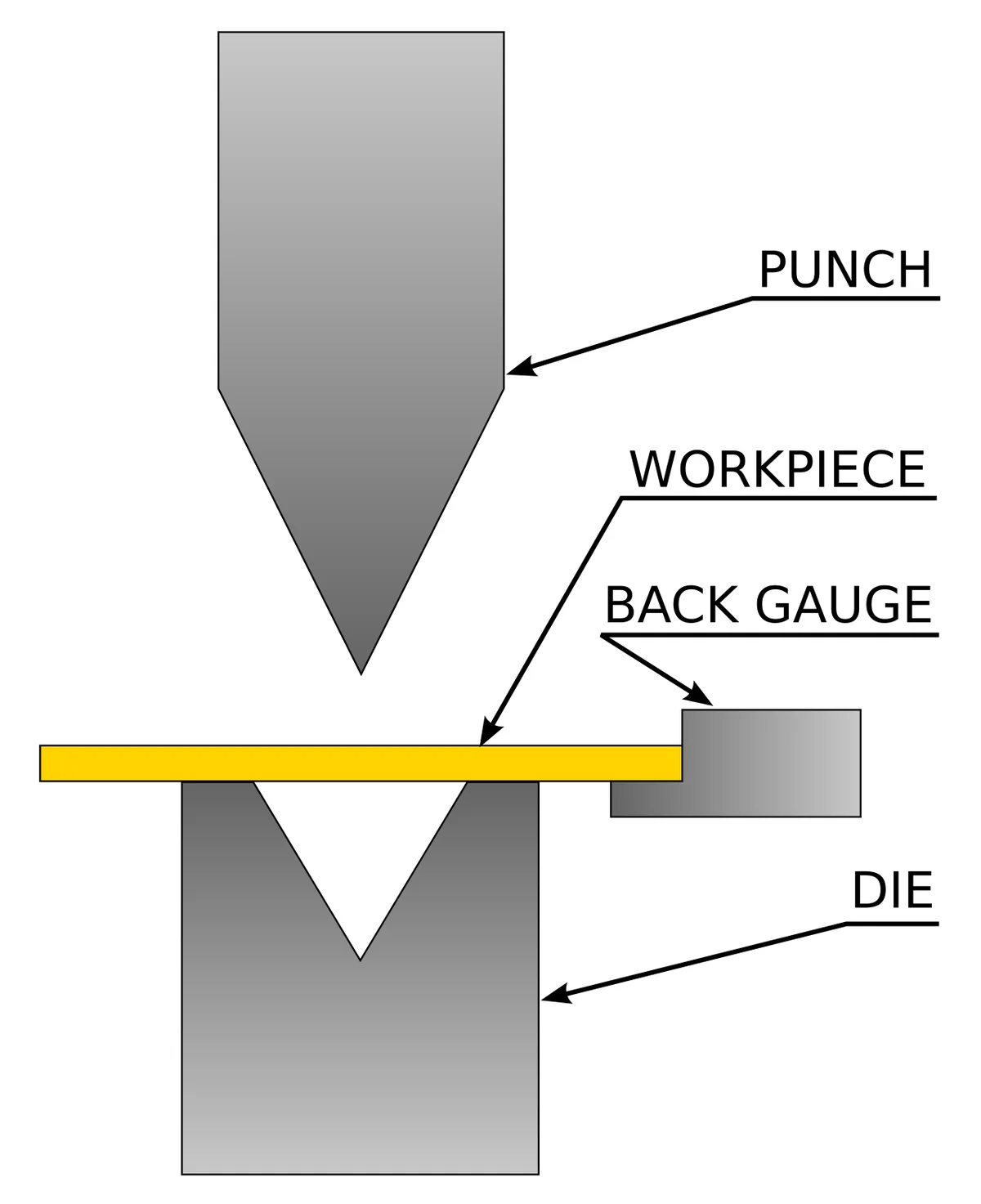
Flat sheet is cut (by laser, punch, or waterjet) and bent on a press brake, then joined with fasteners, rivets, welds, or self-clinching hardware. It is the backbone of electrical enclosures, equipment chassis, brackets, and HVAC components. At high volumes, progressive stamping dies replace cutting and bending with very low per-part cost but significant tooling.
Design rules come from the shop's tooling: inside bend radius relative to material thickness, minimum flange length, minimum distance from holes to bends, and relief cuts at corners. Designing to a supplier's standard bend tooling keeps cost down.
Where it bites: tolerances accumulate across several bends, cosmetic finishes (powder coat, anodizing, brushing) add cost and lead time, and welded assemblies can distort.
Founder takeaway
Get your fabricator's bend tables and design rules before detailing parts, and keep critical tolerances off dimensions that cross several bends.